Skip to content

Gut Health — One more part of your health and well-being as thyroid patients
When I was first creating the Stop the Thyroid Madness website, plus the books, it was all to empower you in both the doctor’s office and without.

And it never even dawned on me or others to look at gut health. It’s probably because I never had any obvious signs of a gastrointestinal problem. But many others do!

Over the years, though, it’s become a hot topic, and rightly so!

What is gut health?

Gut Health is a catchy phrase referring to all the right things that should go on within your gastrointestinal tract. The latter refers to all those organs which are involved in digestion–the breakdown of what you consume! They include your…

1) Esophagus

2) Stomach

3) Small intestine

4) Large intestine

5) Liver

6) Gallbladder

7) Pancreas and more

Why is digestion so important?

Healthy digestion is the process your body goes through to break down the food, liquids and supplements you put in your mouth so your body can use what is contained within for its health and energy–i.e. nutrients.

Your digestion also helps you move out waste products in a timely manner. Healthy digestion helps proteins you consume break down into amino acids, helps any carbs you eat break down into simply sugars, helps fats break down to important fatty acids.

What can be obvious symptoms that I have a gut health problem?

  • Bloating (especially due to excess bacteria in the gastrointestinal tract)
  • Excess Gas (some gas is very normal throughout the day–this is about far too much)
  • Constipation (very common with undiagnosed or poorly treated hypothyroid)
  • Diarrhea (no gall bladder, intolerance to raw products, lactose intolerance, irritable bowel syndrome, etc)
  • Chronic Inflammation (symptoms can include that spare tire, or any of the above; gluten intolerance)
  • Heartburn (can be related to low stomach acid or a damaged gut lining)
  • Sugar cravings (candida/excessive yeast, possible nutrition deficiencies, etc)
  • Bad breath (acid reflux, ulcers due to a stomach bacteria, poor dental hygiene, etc)
  • Food allergies/sensitivities (overreactive immune response; possibly GMO products; genetics)
  • Depression or being moody (which could also be hypothyroid symptoms)
  • Skin problems like eczema (due to poorly performing gastrointestinal tract)
  • Diabetes, mostly including Type 2, but also those with Type 1 (inability of insulin to control sugar levels)
  • Autoimmune diseases (leaky gut, genetics)
  • Immune suppression (having frequent illnesses)

What I even discovered about me and good bacteria

I have never tended to have gastrointestinal problems. But some are silent, as I found out about me! I did the 23andme.com genetic testing and found out that because of mutations, I never have enough of the bifada good bacteria in my system.

We all need good bacteria in our gut. That bacteria helps fight disease. It helps neutralize some of the toxins released by digestion, and can reduce harmful substances. The right amount also discourages the build up of bad bacteria and yeast.

OOPS. I’ve also recently discovered that I need to stop licking the bowl after making cake mix, because the raw ingredients do not sit well with my gastrointestinal tract. Darn. lol.

Where can I read more to find answers?

Here is a great article that though it can focus on Hashimoto’s disease patients especially, you don’t have to have Hashi’s to greatly benefit: https://stopthethyroidmadness.com/10-gut-health-questions/

Here is a compilation of issues to read about from Dr. Axe: https://draxe.com/category/health-concerns/gut-health/

Here’s an article with great pictures and easy to understand from the National Institute of Diabetes and Digestive and Kidney Diseases: https://www.niddk.nih.gov/health-information/digestive-diseases/digestive-system-how-it-works

This video is kinda cool, taking a camera through your gastrointestinal tract!! https://www.youtube.com/watch?v=-1aZj6v6dxc

We would love to hear from you about your own gastrointestinal issues as a thyroid patient and how you have treated them. I am not an expert on them, so you may not see me comment. Hopefully others who have gained knowledge can reply.



Need a gut group? This is one I know about. Note that mentioning it means I’m making no guarantees about any group mentioned on here and you take full responsibility for outcomes in using any group: https://www.facebook.com/groups/FTPOGluten/ It’s now a privately run Gut Group.

TIP:

DO YOU HAVE NIGHTTIME SLEEP WAKE UPS? I have always been a total NDT user. For the last few months, I had to switch to mostly T3 with a smaller amount of NDT to counter high RT3 due to chronic inflammation (which is now fixed). But during that time, I would wakeup too easily in the middle of the night, and I knew I didn’t have adrenal problems, which also causes this problem. Well guess what? I tried to take a small amount of T3 right at bedtime (in addition to what I was already taking during the day). It was perhaps a third of a 25 mcg tablet. And guess what? I SLEPT BETTER!!

T3 to heal adrenals, Selenium, liver–all important info for thyroid patients!

Though this post was written in 2012, it has been updated to the current day and time and it still applicable. Enjoy!

HOW T3, DOSED A CERTAIN WAY, CAN REVERSE YOUR ADRENAL FATIGUE, says Paul Robinson!

UK’s Hashimoto’s patient Paul Robinson has been a successful T3-only treated patient for more than 13 years, especially because he never did well on either synthetic T4, nor on the combination of T4/T3. And he learned so much about himself that he compiled all the information on T3 dosing in his book called Recovering With T3: My Journey from Hypothyroidism to Good Health Using the T3 Thyroid Hormone.

But what I especially find interesting is how he used T3 to cure his flagging adrenal function rather than HC (hydrocortisone). And here is a short summary of key points. He calls this The Circadian T3 Method, aka the CT3M.

  1. Most of the day’s cortisol is made in the last four hours of sleep, which means your adrenals work their hardest during that time. And like any cell in your body which need T3 to function well, so do your adrenal cells…especially during the time they work the hardest.
  2. With the above in mind, it made sense to Paul that if adrenals are struggling with low cortisol, they clearly need T3 in that early morning 4-hour window in order to function better. How did he do it? He moved his first T3 dose to one hour before he would normally wake up, held it for a few weeks to see the results, went earlier another half hour, held it for a few weeks to see the effect…and so on. He obtained a lot of data to ascertain what was happening–urine cortisol, blood pressure, pulse, etc. He found that the time which gave his adrenals the biggest boost, and thus better function, was 3 1/2 hours before he normally wakes up. But he feels that others might find that anywhere in the first three hours of that four hour window, and it’s important to move slowly within that area to find the right time for you based on data.
  3. This protocol needs certain supplements, which include high potency B complex, B12, Vit. C, Vit. D and a good multi mineral. He goes into detail in his book.
  4. This protocol would not work if someone has Addison’s Disease, Hypopituitary or Diabetes…and may not work if you have pre-Diabetes blood sugar issues. It’s blood sugar in the cells that reacts positively with T3.

There is much more detail than the above. And Paul makes it clear that this treatment for adrenal fatigue and proven low cortisol should only be done in your relationship with your doctor.

UPDATE: many patients have reported that though the CT3M did wonders bringing up the morning cortisol, it didn’t help afternoon cortisol at all, and for some, didn’t help noon’s low cortisol. Yes, there are some who feel it’s helped all day, but also a large body who said it only helped morning. So we concluded that though it’s great for that low morning, you may have to use other supports for other low cortisol times. Also, the CT3M is excellent to help get off HC! Many are off in a month or less!

SELENIUM, EVEN WITH HIGH RT3, IS A MINERAL YOU NEED!

Check out what thyroid patient Cheryl Alvey has put together about selenium. This is a masterful page!

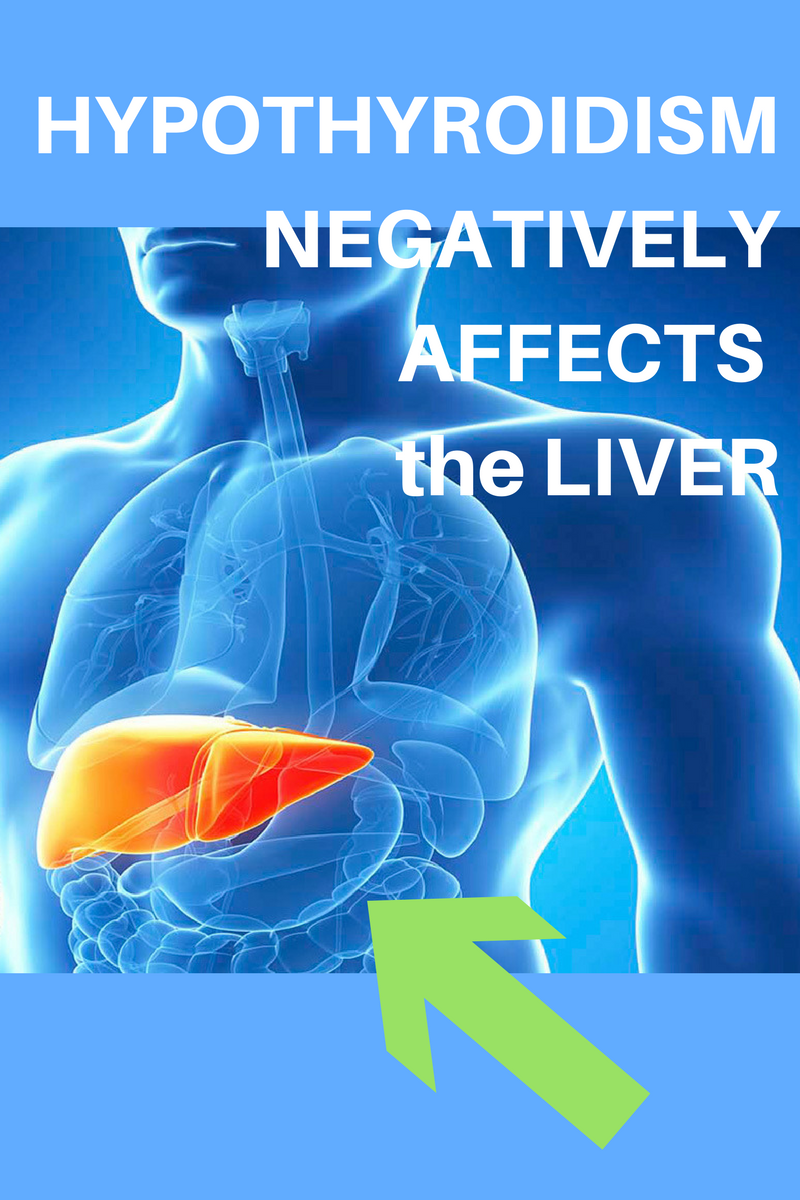
WHY THYROID PATIENTS NEED HEALTHY LIVER FUNCTION

What happens if your liver isn’t healthy? Transportation is less optimal, and the deiodination type 1 will change to type 3, meaning T4 will convert to excess RT3! And guess what can make your liver unhealthy? Continued hypothyroidism, which happens to all too many who are on T4-only medications, or those left undiagnosed due to the TSH. Hypothyroidism is worsened with adrenal problems, and low iron. And liver function can become unhealthy or stressed if you eat poorly You can read more about all this here.

In the meantime, what can one do to promote better liver function? Milk thistle is one highly recommended way by many (use Milk Thistle supps from the seeds to avoid estrogenic affect). Also look into dandelion root /leaf, Sassafras, Burdock, Goldenseal and Yellow Doc root, Red Clover and Echinacea root. Ask someone knowledgeable at your local health food store.

PATIENT YOU-TUBE STTM VIDEOS

See thyroid patient Sam Aliyev’s latest YouTube video. If you do one about the message of STTM, let me know and I’ll post about it.

**Has STTM benefitted you?? Want to Pay It Forward? Go here.

**Come over to the STTM Facebook page and “Like” it for daily inspiration and information!

Another reason to question taking T4 meds without T3—your liver

Though this page was originally written in 2009, it’s been updated to the current day and time. Time does not change that your liver “may” be negatively effected by being on nothing but T4-only meds, or even being underdosed on NDT or T3. This is not a diagnosis–just information.  ~Janie, thyroid patient and site creator

I’ve been noticing several articles coming out about a strong association between hypothyroidism and a twice the risk of liver disease and problems, especially in females.

And then it dawned on me: another strong reason patients end up up playing basketball with their trash cans using bottles of Synthroid, Levoxyl, Levothroxine or Eltroxin, and being replaced with a working desiccated thyroid or T4/T3, or T3.

In other words, continued hypothyroidism (which being on T4-only meds has promoted, say patients for years) and undiagnosed hypothyroidism (because of the inadequacy of the TSH lab test) can ‘potentially’ promote the development of nonalcoholic steatohepatitis, a more severe Fatty Liver disease, if these articles are right. The next progression is liver cancer, aka hepatocellular carcinoma (HCC).

Even worse, the study revealed that women who had been hypothyroid for more than 10 years had a threefold higher risk of liver cancer compared to women without a history of thyroid disorders. This will make you pause when you consider how many reports there are of patients having hypothyroid symptoms for YEARS with a normal TSH…and a clueless, TSH-worshipping doctor.

And if reading this bores you, understand that your liver is a HIGHLY important gland that you can’t live without. It plays a key role in detoxifying the toxins you ingest and breath in daily (including smoking), besides being a major fat burner. Make the liver diseased, and you become a breeding ground for toxins, the rise of other diseases…then death.

The solution? Patients are running from TSH and T4-only doctors, finding a doctor to put them on a working desiccated thyroid, or T4/T3, or T3, and avoiding the most common mistakes of dosing.

P.S. The original report came out in the May journal issue of Hepatology (the latter is now non-working–here’s the correct place it was to go.) (published by John Wiley & Sons on behalf of the American Association for the Study of Liver Diseases). Similar results were also reported in the Journal of Gastroenterology and Hepatology 2005.

Want to be informed about my blog posts? Curious what I’m ranting about? Just use the Notifications at the bottom right of any page to sign up.