Skip to content

Jane Pauley: hives, depression & bipolar may be more connected to a poorly diagnosed and treated thyroid condition?

JanePauleyThough this post was originally written in 2009, the principles and information are still applicable today!

You might have already known about her, but it was only a few days ago when I found out that the effervescent Jane Pauley, former host of the The Today Show and Dateline NBC, has had certain medical struggles in her lifetime. They have included hives (treated with steroids), depression (treated with an anti-depressant), a bipolar disorder (treated with lithium), and the autoimmune thyroid disease called Hashimoto’s (treated with Levoxyl).

Hives are sudden small raised bumps which can mass into patches, and are often itchy and miserable. Bipolar, also called Manic Depressive Disorder, involves swings between extreme mania (excited, energetic) followed by depression (extreme sadness or lowered response to life).

And all the above four issues made me pause. Consider the following:

1. Hives have not only been linked to hashimoto’s disease for some, they have both been successfully treated with the most brilliant medication for hypothyroidism ever created: natural desiccated thyroid. That healing connection was revealed by the beloved Dr. David Derry of Canada here. Hives is also mentioned as a lingering hypothyroid symptom while on T4 meds which went away with desiccated thyroid.

2) Depression is all too common for those with undiagnosed hypothyroidism (thanks to the lousy TSH lab test) or undertreated thyroid disease (thanks to the lousy T4-only meds like Synthroid which promotes depression and other lingering symptoms). Many patients report a resolution of their depression with desiccated thyroid if they understood that it’s about “optimal” doses. See the green graphic here.

3) Bi-polar can often be a misdiagnosis for Hashimotos disease, since the latter can cause the same swings. Even without Hashi’s, bipolar and other mental health issues can be a common manifestation of low cortisol aka adrenal fatigue, also caused by undiagnosed hypo because of the TSH, or undertreated hypothyroidism with T4. At the very least, bipolar can be a common manifestation of a hypothalamus-pituitary—adrenals (HPA) axis dysregulation, again common with those undiagnosed or undertreated hypothyroidism.

4) Lithium, ironically, is a known cause of hypothyroidism if taken in high doses, only making one’s thyroid situation worse, as well as promoting potential adrenal fatigue and low cortisol.

Now granted, Jane’s big four of hives, depression, bipolar, and thyroid disease could be coincidental. But there’s so much connection in one way or another between them that you are left wondering if she’s been a victim of misdiagnosis and undertreatment just like hundreds of millions of us thanks to labs and medications which do not work. And she may need a good doctor to be reevaluated, besides put on desiccated thyroid and discover what patients have learned about better treatment.

And on another note: I fear it’s going to take someone just as powerful, and as stricken with health issues which could be related, as Jane Pauley is, to FINALLY break open the profound and destructive media silence about this scandal of thyroid treatment diagnosis and treatment which has left hundreds of millions SICK with profound stories, and is the very reason Stop the Thyroid Madness exists. Do we dare hope? We’ll see.

Do you have a similar story of mental health issues that ended up being connected to your thyroid and/or adrenal state? Use the Comment form and let’s talk. Who knows–maybe Jane will see this, ponder, and become far better educated like we’ve had to become!
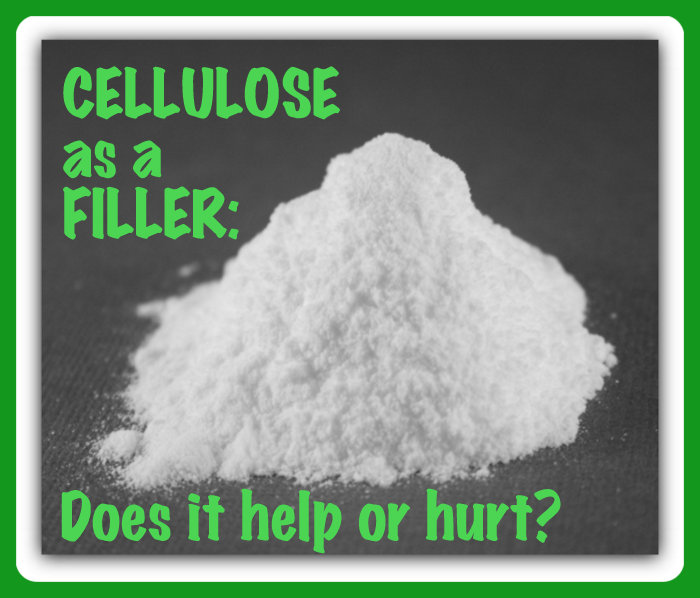

Is Cellulose the real problem in desiccated thyroid meds for many?

Screen Shot 2015-08-05 at 12.53.55 PM(This blog post is updated to the current day and time. Enjoy!)

When Forest Labs reformulated Armour desiccated thyroid in early 2009, they stated they increased the filler Microcrystalline Cellulose, and decreased the Sucrose (sugar). And all of sudden, the tablets became impossible to do sublingually–a method so many of us loved and which seemed to give even more of a punch.

And we were left wondering in 2009 why they would change a particular quality (being able to do the tablets sublingually) that thyroid patients praised so heavily? Positive opinion among patients for Forest Labs back then slipped several notches. (Forest Labs was bought out by Actavis in 2014)

But the real cuckoo’s nest for many thyroid patients still on Armour in 2009, who knew firsthand the life-changing benefits of natural desiccated thyroid, was a maddening return of serious hypo symptoms on the 2009 Armour with its increase in cellulose, and subsequent new stress on their adrenals, sooner…or later! You can read several horror stories in the comments of the post below, or go here.

So patients turned to other alternatives, which at the time was Naturethroid and Westhroid by RLC Labs. (Naturethroid stopped working as well in 2018)

So what has been the common thread in the most problematic desiccated thyroid products?

It has always been CELLULOSE, a plant fiber, and more commonly known by the trade name Avicel. And what does fiber do in your stomach? Inhibits absorption. Armour’s cellulose was raised, and bamm…problems. Compounded desiccated thyroid, with cellulose as a filler, has been problematic for many patients with a return of hypo symptoms, especially if it was Methyl Cellulose, a larger particle size product. But some have even had problems with compounded containing Microcrystalline Cellulose, the smaller cellular product. And a certain body of patients even had problems with Naturethroid back then before it became scarce for awhile. And Naturethroid used cellulose as a filler.

Note: With all the complaints, Forest Labs did change something about Armour by mid–to-late 2010. Though it never returned to what it was before 2009, it did become a softer tablet and patients did better on it. But we certainly learned a big lesson about cellulose in our NDT pills..

Is this problem true with T3-only products?

Yes. Patients noted that generic T3 was far less effective than the brand name Cytomel (both Liothyronine Sodium) And what filler is up to 70% in the generic T3? CELLULOSE.

What does literature say about the use of Cellulose as a filler in medications?

Plenty. Cellulose is from wood. Wood is fiber. And fiber in your gut affects absorption. From http://www.umm.edu/altmed/articles/fiber-000303.htm we get this:

* Dietary fiber has been reported to lower the blood levels and effectiveness of tricyclic antidepressant medications…Reduced dietary fiber intake increased the blood levels and improved symptoms in these patients.

* While fiber supplements may help to regulate blood sugar levels, they may also interfere with the absorption of anti-diabetic medications….Therefore, fiber supplements should not be taken at the same time as these medications.

* Taking soluble fiber such as psyllium with carbamazepine (Tegretol), a medication used to treat seizure disorders, may decrease the absorption and effectiveness of carbamazepine.

* Fiber in the form of pectin (from fruit) and oat bran reportedly reduces the body’s ability to absorb cholesterol-lowering medications known as “statins,”… and could lead to decreased effectiveness of these medications.

* Fiber supplements may reduce the body’s ability to absorb digoxin (Lanoxin), a medication used to regulate heart function.

* Clinical reports suggest that psyllium or other soluble fibers may lower lithium levels in the blood, reducing the effectiveness of this medication.

* In one clinical study, the fiber supplement guar gum reduced blood levels of penicillin.

Fast forward to the present

If you are using a compounded desiccated thyroid medication, it’s strongly recommended to request powdered acidophiles, also spelled acidophilus, as your filler. One gal states her compounding pharmacy uses powdered Ginger (but beware of too much Ginger if you have Mitral Valve Prolapse. It can cause palps if you take too much–my experience). Others might use powdered Vitamin C. See what other fillers your compounder can offer.

Another possibility is Cellulase, an enzyme which helps the splitting and breakdown of cellulose, It’s found on most supplement websites.

JanieSignature SEIZE THE WISDOM

*Join the STTM Facebook page for information, tips and inspiration!

* Become an informed thyroid patient! //www.laughinggrapepublishing.com